 Skip to main content
Orange wine.
A name that immediately creates curiosity.
Is it made from oranges?
Is it a mix between white and red wine?
Is it something new?
The answer to all of these questions is no.
Orange wine is actually one of the oldest styles of winemaking in the world. Today, it is enjoying a revival, but the technique behind it goes back thousands of years.
The more traditional name for orange wine is skin contact wine — and this explains exactly how it is made.
A White Wine Made Like a Red Wine
To understand orange wine, we first need to understand a simple principle.
The colour of wine comes mainly from the skins of the grapes.
For red wine, the grapes are fermented with their skins, allowing the colour, tannins and flavours from the skins to be extracted.
For white wine, the juice is usually separated from the skins immediately, creating a fresher and lighter style.
Orange wine takes a different path.
White grapes are fermented with their skins, sometimes for several days or even weeks.
The result is a wine with a deeper golden or amber colour, more texture and a completely different aromatic profile.
Why Is It Called Orange Wine?
The name simply comes from the appearance.
Because of the extended contact with grape skins, white grapes can produce wines with shades ranging from golden yellow to amber and orange.
It is not about flavour.
There is no orange fruit involved.
It is purely a visual description of the colour created by the winemaking process.
What Does Skin Contact Add to a Wine?
The grape skins contain many important elements:
- Colour compounds
- Aromatic compounds
- Tannins
- Texture-building elements
When these are extracted, the wine becomes more structured and more complex.
Compared with a traditional white wine, an orange wine can feel:
- More textured
- More savoury
- More layered
- More gastronomic
The sensation can sometimes be closer to a red wine than a white wine, even though it is made from white grapes.
A Traditional Technique with a Modern Revival
Although orange wines feel very modern today, the method is ancient.
Some of the earliest winemaking traditions involved fermenting grapes with their skins in large clay vessels.
Over time, many regions moved towards more controlled and clearer styles of white wine, separating the juice from the skins.
Today, many passionate winemakers are exploring these older techniques again, combining tradition with modern knowledge.
The goal is not simply to make something different.
The goal is to reveal another side of the grape.
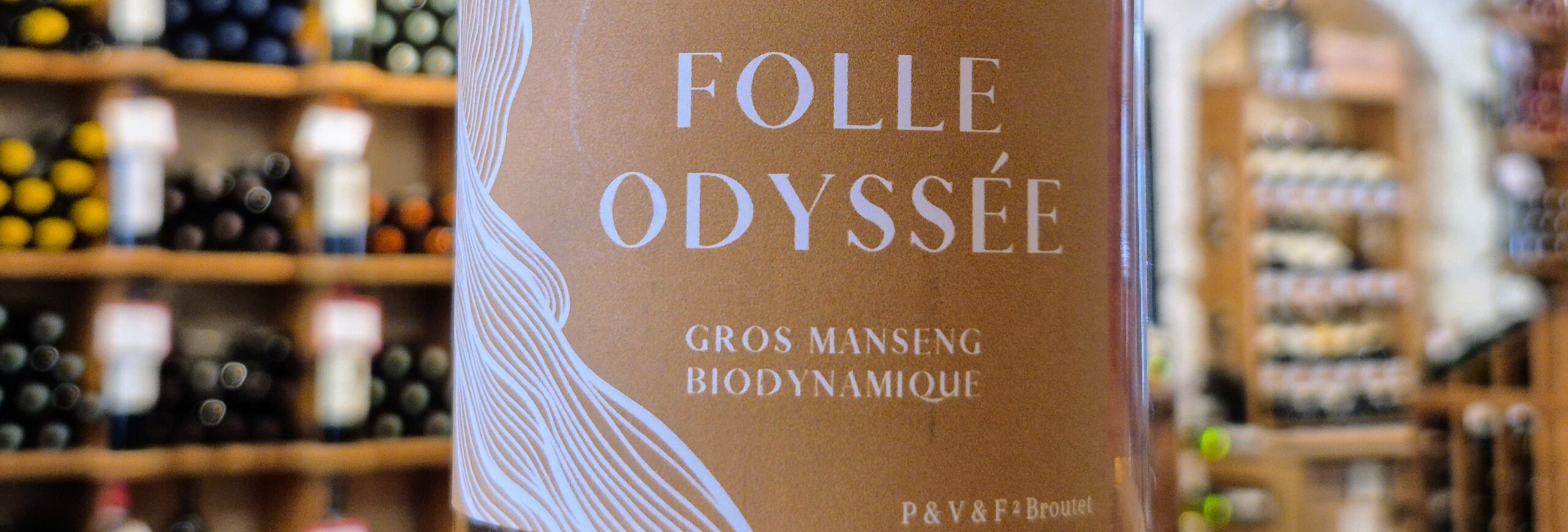
Domaine de Beyssac – Folle Odyssée 2023
Our example for this Masterclass comes from Domaine de Beyssac, located in Marmande, in the South West of France.
A Demeter-certified wine, Folle Odyssée is a beautiful illustration of how expressive skin contact wines can be.
The grapes are harvested by hand and carefully selected before being destemmed and pressed.
The wine then undergoes natural alcoholic fermentation at 20°C in stainless steel tanks, using indigenous yeasts.
This gentle approach allows the wine to preserve the identity of the fruit while developing the complexity that comes from the winemaking process.
The wine is lightly prepared for bottling, with no filtration, keeping as much character and personality as possible.
How Does It Taste?
What makes orange wine fascinating is that it often changes the way we think about white wine.
Instead of focusing only on freshness and fruit, it introduces new sensations:
- More depth
- More texture
- Subtle tannins
- Herbal and savoury notes
- A longer finish
It is a wine that invites curiosity.
A wine to slow down with.
A wine that works beautifully at the table because of its structure and personality.
The Final Lesson
Orange wine is not a strange new trend.
It is a reminder that wine has always been about experimentation, tradition and the relationship between grapes and people.
By leaving white grapes in contact with their skins, winemakers reveal a completely different expression of the same fruit.
More texture.
More complexity.
More character.
Skin contact wines show us that sometimes, looking back at ancient techniques is one of the best ways to discover something new.



Recent Comments