 Skip to main content
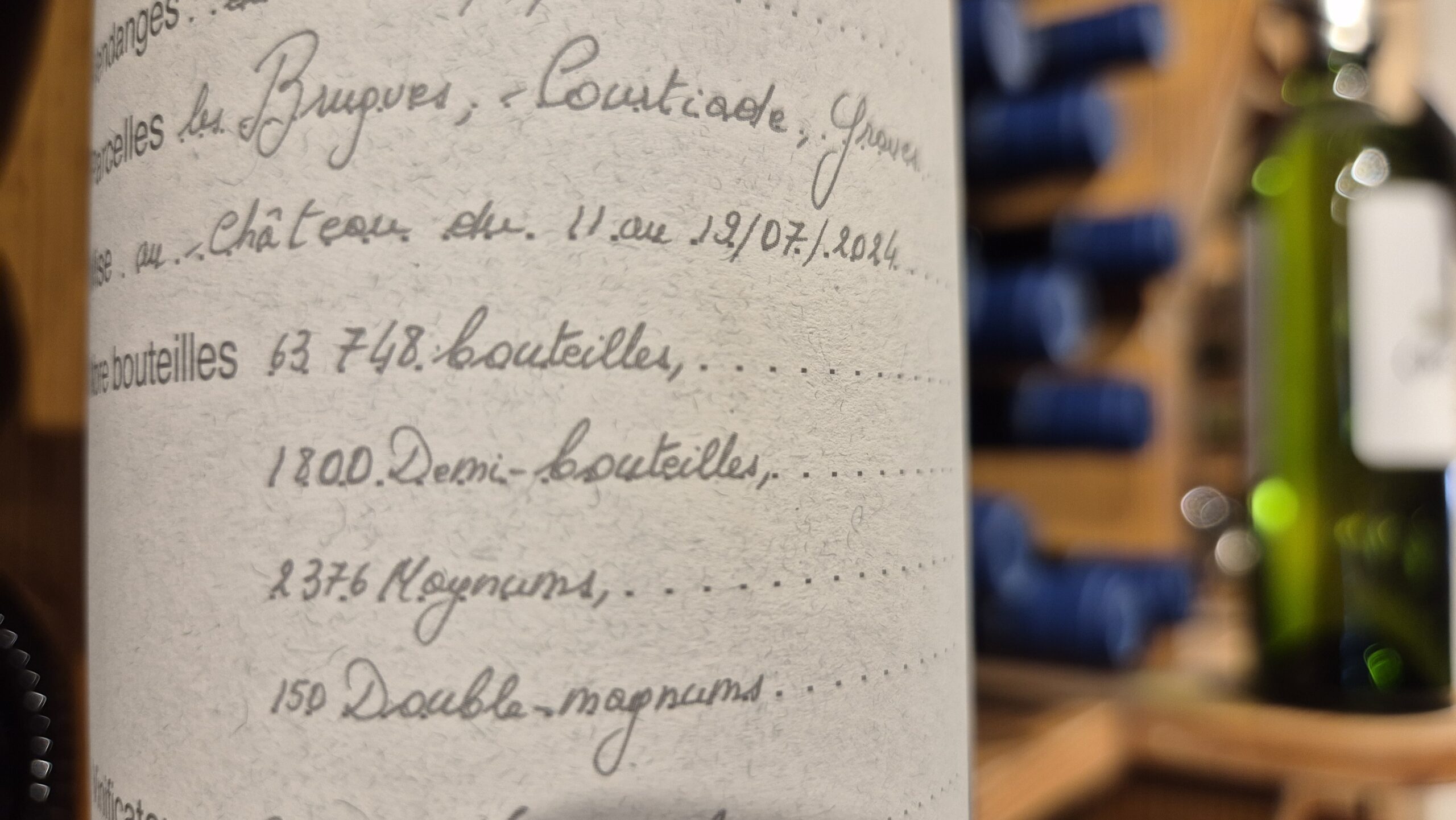
A celebration format that changes the way wine is shared
There is something about a magnum that immediately changes the atmosphere of a table.
Even before it is opened, it creates curiosity. Once it arrives, it becomes the centre of attention. And yet, despite this presence, a magnum is fundamentally simple: it is just two bottles in one — 1.5 litres of wine, nothing more, nothing less.
At The French Paradox, we’ve always loved magnums. Not because they are extravagant, but because they transform the way wine is shared.
Why magnums exist – and why they matter
Magnums are not a modern invention. They have been used for centuries, particularly in Bordeaux and Champagne, where larger formats were favoured for ageing and sharing.
The key reason is surprisingly practical: wine evolves more slowly in a larger format. With a smaller ratio of oxygen to wine, magnums often age more gracefully, preserving freshness while developing complexity over time.
This is why many winemakers quietly keep their best bottles for magnum production when possible — especially for wines intended to age.
The names behind the sizes
One of the charms of large-format bottles is their naming tradition. Beyond the magnum, bottle sizes often take the names of biblical kings and historical figures, adding a touch of theatre to the world of wine.
The Magnum itself contains 1.5 litres, exactly two standard bottles. From there, things become more interesting.
In Bordeaux, the traditional sizes are:
- Magnum – 1.5L (2 bottles)
- Double Magnum – 3L (4 bottles)
- Jeroboam – 5L (about 6⅔ bottles)
- Imperial – 6L (8 bottles)
In Champagne, however, a different naming system is generally used:
- Magnum – 1.5L
- Jeroboam – 3L
- Rehoboam – 4.5L
- Methuselah – 6L
- Salmanazar – 9L
- Balthazar – 12L
- Nebuchadnezzar – 15L
While the names may vary, the idea remains the same: wine has always been associated with sharing, celebration, and generosity. The larger the bottle, the more naturally it becomes the centrepiece of the table.
These names may sound theatrical, but they reflect something very real: wine has always been associated with celebration, sharing, and scale.
Why magnums taste different
Beyond the visual impact, magnums often offer a slightly different tasting experience.
Because the ageing process is slower and more stable, wines in magnum can feel more integrated and harmonious over time. Fruit, tannins, and acidity tend to evolve in a more gradual way, which can result in a greater sense of balance.
For wines meant to age, this format is often considered ideal.
The social magic of magnums
Of course, not everything is technical.
A magnum is also about emotion.
It brings a sense of occasion without needing a special reason. It naturally encourages sharing. It slows down the rhythm of service. And it always creates that small moment of surprise when it appears on the table.
Whether it’s a family lunch, a dinner with friends, or a celebration, the effect is the same: the moment feels bigger.
“But it’s too much wine…” – a common misunderstanding
Many people hesitate when they see a magnum, thinking it might be excessive.
In reality, it is often the opposite. A magnum is not about drinking more — it is about sharing better. For four to six people, it is perfectly balanced. And for two or three, it turns an ordinary evening into something memorable.
It is also one of the most practical formats for dinner parties: fewer bottles to open, more consistency in the glass, and a smoother flow throughout the meal.
A format worth rediscovering
Magnums are sometimes seen as special-occasion bottles. But they don’t need to be reserved for rare moments.
They can turn an ordinary dinner into a shared experience. They can elevate a simple meal. And they can make even a familiar wine feel slightly more exciting.
At The French Paradox, we believe they deserve a place at the table far more often than they currently do.
Because sometimes, it is not a different wine that changes everything —
it is simply a bigger bottle.
Champagne Lacourte-Godbillon – Terroirs d’Écueil JEROBOAM (3 litres / 4 bottles)
Château Martet – Réserve de famille 2018 IMPERIAL (12 litres)


Recent Comments