 Skip to main content
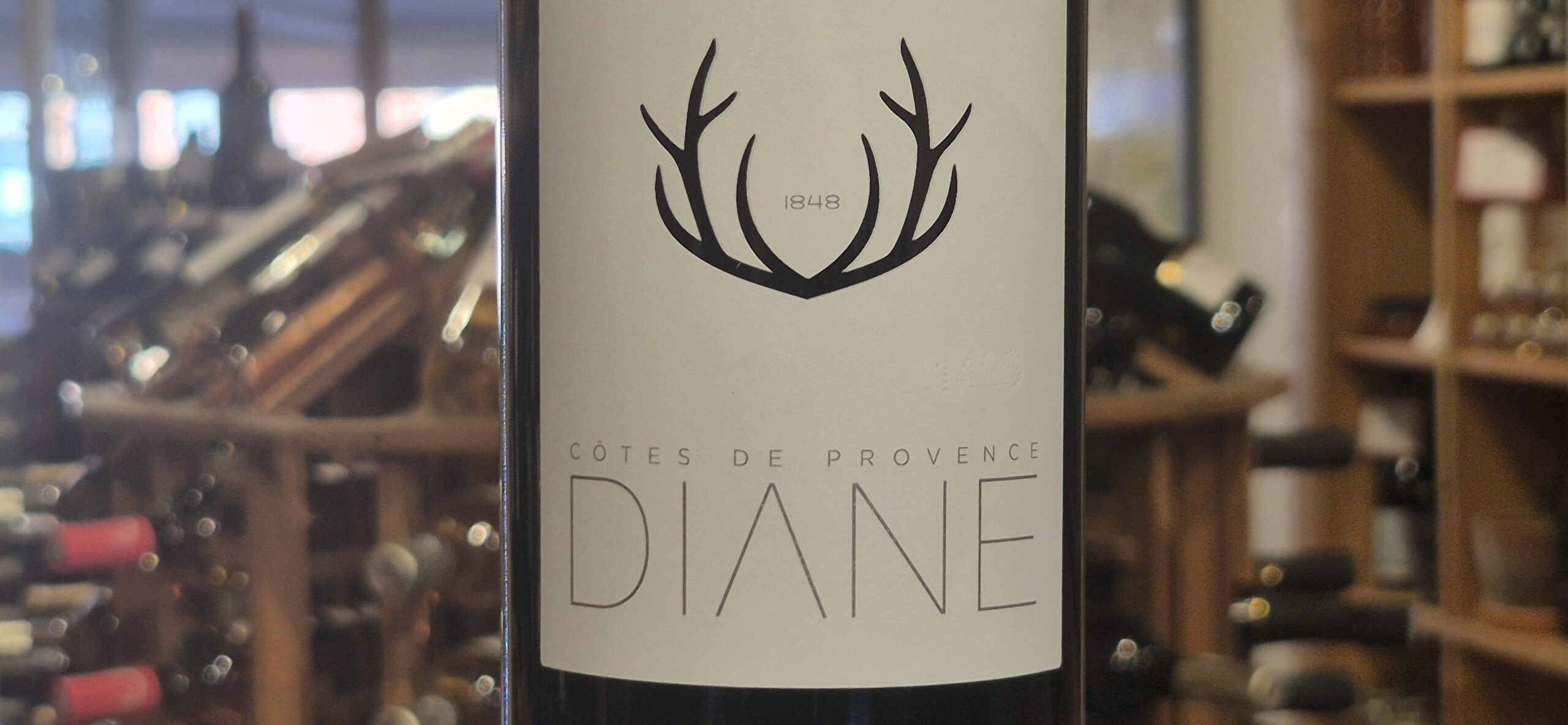
A fresh, aromatic white that reminds us Provence is not only about rosé
When people think of Provence wines, the first image is almost always rosé: pale colour, seaside light, summer tables, and Mediterranean ease.
But Provence also produces white wines of real character — expressive, aromatic, and deeply connected to their landscape.
The “Diane” 2025 from Château Pas du Cerf is a perfect reminder of that. A white wine with freshness and generosity, combining citrus brightness with subtle exotic notes, it feels like a glass designed for warm evenings and long coastal nights.
Château Pas du Cerf – a historic family estate in Provence
The story of Château Pas du Cerf is rooted in both legend and family heritage.
The estate takes its name from a royal hunting story involving King François I, who, according to tradition, killed a deer in the area during a hunting party near the Mediterranean coast. The place was then named “Pas du Cerf” — the “deer’s step” — a poetic reference that remains attached to the estate today.
Founded in 1848, the domaine has been passed down through eight generations of the Gualtieri family, each one contributing to its continuity and evolution. Today, Aurore, Diane, and Marion continue this family adventure, keeping the estate alive with a strong sense of identity and respect for its land.
Provence white wines – a style often overlooked
Provence is often associated with rosé, but its white wines deserve far more attention.
The Mediterranean climate, combined with coastal influences and limestone soils, creates whites that are both aromatic and fresh, often showing citrus, floral, and sometimes exotic fruit notes.
In blends like “Diane”, this balance becomes particularly interesting: enough sunshine for ripeness, but enough freshness to keep the wine lively and elegant.
A Mediterranean blend with personality
The “Diane” 2025 is built from a blend of traditional southern varieties:
- 55% Sémillon
- 25% Rolle (also known as Vermentino)
- 20% Clairette
Each grape plays a clear role.
Sémillon brings roundness and subtle richness.
Rolle adds freshness, aromatic lift, and Mediterranean character.
Clairette contributes delicacy, brightness, and finesse.
Together, they form a white wine that is both expressive and balanced.
Gentle winemaking to preserve freshness
The wine is made through direct pressing followed by fermentation at low temperature.
This gentle approach is essential for aromatic white wines: it preserves the delicate citrus notes, the subtle exotic fruit aromas, and the overall freshness of the blend.
The result is a wine that feels light, precise, and expressive without losing texture.
In the glass – brightness, citrus, and a touch of exoticism
The colour is pale and luminous, with golden-green reflections reminiscent of sunlight on water.
On the nose, the wine is delicate and expressive, opening with fresh citrus aromas — especially lemon — followed by softer exotic fruit notes that bring depth and charm.
On the palate, it is lively and fresh, with a smooth texture and a clean, lemon-driven finish. The exotic fruit character returns gently, adding roundness without heaviness.
It is a wine that feels both refreshing and inviting, with a style that naturally evokes Mediterranean evenings.
A white wine that feels like summer on the coast
“Diane” is not a wine that tries to impress with power. Instead, it focuses on balance, freshness, and pleasure.
It is the kind of white wine that fits naturally into moments shared outdoors, near the sea or under warm evening light.
Seafood, grilled fish, light Mediterranean dishes — or simply a moment on its own — all suit its style perfectly.
A reminder: Provence is also white wine country
Château Pas du Cerf’s “Diane” 2025 is a beautiful reminder that Provence is not defined by rosé alone.
Behind the region’s famous pale wines lies a world of white wines full of character, shaped by sun, sea, and tradition.
Fresh, aromatic, and subtly exotic, “Diane” shows another face of Provence — one that deserves to be discovered just as much as its rosés.


Recent Comments