 Skip to main content
Ask a wine lover to describe Sauvignon Blanc and you’ll usually hear the same words: Fresh / Crisp / Citrusy / Mineral / Young.
For many people, Sauvignon Blanc is the ultimate refreshing white wine. It is celebrated for its vibrant acidity, bright fruit and youthful energy.
So why would a winemaker ever put it in an oak barrel? At first glance, it almost sounds like a contradiction.
Yet in the hands of a talented winemaker, oak can transform Sauvignon Blanc into something deeper, richer and more complex while preserving the freshness that makes the grape so appealing in the first place.
The challenge is knowing exactly how far to go.
The Character of Sauvignon Blanc
Before talking about oak, we first need to understand the grape itself.
Sauvignon Blanc is naturally aromatic and expressive.
Depending on where it is grown, it can display notes of:
- Citrus fruits
- Green apple
- Gooseberry
- White peach
- Fresh herbs
- Flint and mineral notes
In regions such as Sancerre and Pouilly-Fumé, Sauvignon Blanc is often associated with purity, tension and precision.
Its freshness is part of its identity.
That is precisely why ageing it in oak requires such skill.
What Does Oak Actually Do?
Many people think oak simply adds flavours such as vanilla or toast.
While this can happen, oak influences a wine in far more subtle ways.
For Sauvignon Blanc, oak can contribute:
- Greater texture
- Increased richness
- More volume on the palate
- Additional complexity
- Improved ageing potential
The barrel also allows tiny amounts of oxygen to interact with the wine over time.
This slow evolution softens sharp edges and can create a more harmonious and layered wine.
The goal is not to make Sauvignon Blanc taste like wood.
The goal is to give the wine another dimension.
The Danger of Too Much Oak
This is where things become difficult.
Sauvignon Blanc has a strong personality, but it is also a grape built on freshness and precision.
Too much oak can easily overwhelm these qualities.
Excessive barrel influence may mask the fruit, dull the freshness and replace elegance with heaviness.
That is why the finest examples are often produced by winemakers who use oak with remarkable restraint.
The barrel should support the wine, not dominate it.
When done correctly, you notice the texture before you notice the oak itself.
A Different Expression of Sauvignon Blanc
Oak-aged Sauvignon Blanc often surprises people.
The colour can become slightly deeper, moving from pale lemon towards golden hues.
The aromas evolve beyond simple citrus and fresh fruit.
You may discover notes of:
- Ripe orchard fruits
- Honey
- Hazelnut
- Toasted bread
- Gentle spice
- Smoke
Most importantly, the texture changes.
Instead of feeling sharp and linear, the wine becomes broader and more enveloping, while retaining the freshness that defines Sauvignon Blanc.
It is still recognisably Sauvignon Blanc.
Just a more mature and sophisticated version of it.
Two Wines That Illustrate the Art Perfectly
At The French Paradox, we are fortunate to work with two producers who demonstrate how beautifully Sauvignon Blanc can interact with oak.
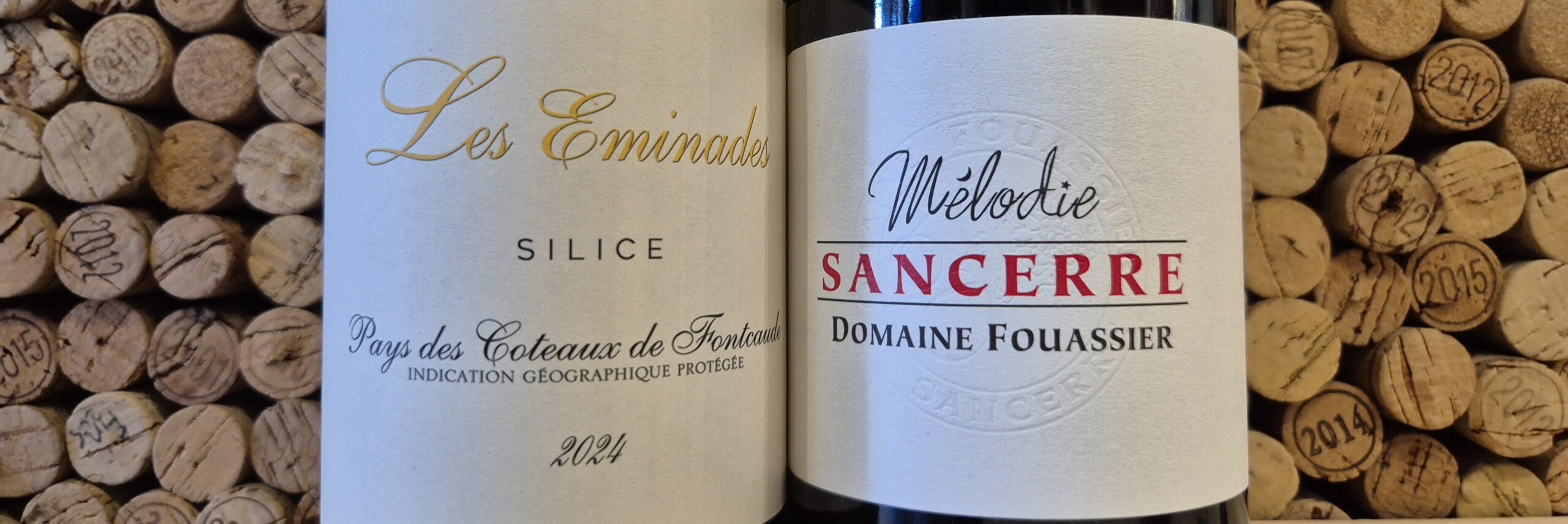
Sancerre “Mélodie” 2020 – Domaine Fouassier
Sancerre is often associated with crisp, youthful expressions of Sauvignon Blanc.
With Mélodie, Domaine Fouassier explores a more ambitious style.
The wine retains the precision and minerality that make Sancerre famous, while gaining depth, texture and complexity through careful oak ageing.
It is a wonderful example of how Sauvignon Blanc can evolve beyond its youthful image.
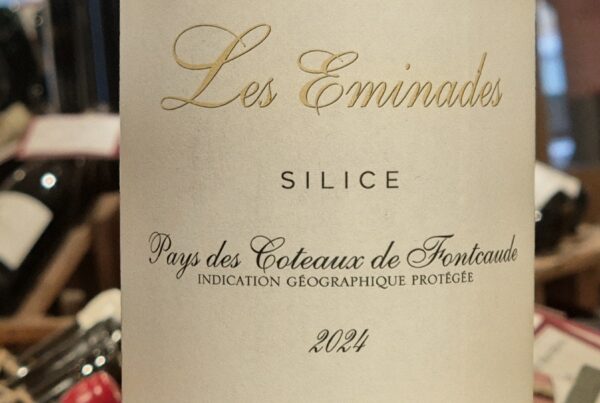
Silice 2024 – Les Éminades
Produced in the Coteaux de Fontcaude, Silice reveals another interpretation of barrel-aged Sauvignon Blanc.
Here, richness and texture complement the grape’s aromatic profile, creating a wine that is both generous and vibrant.
The result is a Sauvignon Blanc with substance and character while maintaining balance and freshness.
Why These Wines Matter
Many consumers discover Sauvignon Blanc through simple, fresh and easy-drinking wines.
There is absolutely nothing wrong with that.
But wines such as Mélodie and Silice remind us that Sauvignon Blanc is capable of much more.
With careful viticulture, thoughtful winemaking and sensitive use of oak, the grape can produce wines of remarkable complexity and longevity.
These are wines that reward attention.
The sort of wines that invite conversation rather than simply quenching thirst.
The Final Lesson
Oak and Sauvignon Blanc might seem like unlikely partners. One is associated with freshness and purity. The other with richness and complexity.
Yet when an experienced winemaker brings them together successfully, something special happens.
The freshness remains. The minerality remains. The identity of the grape remains.
But alongside them come texture, depth, complexity and a new level of sophistication.
Perhaps the greatest compliment you can pay an oak-aged Sauvignon Blanc is this: you still recognise the grape immediately.
You simply discover that it has far more to say than you ever imagined.


Recent Comments